Exploring Peru: A Complete 7 Day Sacred Valley, Machu Picchu & Cusco Travel Itinerary
- Taylor Britton
- Dec 16, 2025
- 6 min read

Updated: Jan 11

Peru is one of those destinations that somehow manages to feel grounding and completely awe-inspiring at the same time. From the wide-open landscapes of the Sacred Valley to the ancient mystery of Machu Picchu and the vibrant, energy-filled streets of Cusco, this trip delivered on every level. This TravelbyTails itinerary breaks down where we stayed, what we loved, what we’d absolutely do again and, what we probably wouldn’t, to help you plan your own adventure through the heart of the Andes.
Before heading into the mountains, I spent a full week in Lima working a golf tournament at the Country Club of Lima and stayed at the Country Club of Lima Hotel. The building itself has serious old-world charm, with beautiful architecture that reflects the city’s historic elegance. While the bones of the hotel are stunning, a few areas definitely showed their age and could use some updating. Still, it was a memorable place to stay and a great home base while working in the city. Between Lima’s incredible food scene and its coastal setting, it was an exciting (and very delicious) way to kick off the trip.
Once my husband arrived in Lima, we headed inland toward the Andes. Since Cusco sits at the highest elevation, we planned our route strategically, starting in Sacred Valley to acclimate before gradually working our way up. This ended up being one of the best decisions we made and made the entire trip far more enjoyable (and far less breathless).
Our first stop was in Sacred Valley, where we stayed at Sonesta Posadas del Inca – Valle Sagrado in Yucay, Urubamba. Surrounded by mountains and farmland, the hotel felt peaceful and grounding which is exactly what you want when adjusting to altitude. The food here was surprisingly excellent, with both breakfast and dinner at the hotel restaurant being consistently very good and an easy, stress-free way to start the trip. And as if the setting wasn’t charming enough, there were alpacas casually walking around the property throughout the day, including right outside the breakfast restaurant and outside the window of our room. Coffee, mountains, alpacas, honestly, it doesn’t get much better than that.

The Sacred Valley was once the agricultural heart of the Inca Empire, prized for its fertile land and strategic importance. One of the highlights was visiting Moray, an incredible site made up of massive circular terraces carved directly into the earth. While historians still debate their exact purpose, many believe Moray functioned as an advanced Inca agricultural laboratory, allowing farmers to test crops in different microclimates. Standing at the top and looking down, it’s impossible not to feel impressed and maybe a little humbled by how advanced the Inca civilization truly was.

Nearby, the salt mines of Maras offered a completely different but equally fascinating experience. These salt ponds have been harvested since pre-Inca times and are still maintained by local families today. Watching the salt being collected by hand, with the Andes rising dramatically in the background, felt like witnessing living history. We loved being able to buy salt directly from the source so be sure to bring Peruvian soles. Meaningful souvenirs always win.
From the Sacred Valley, we continued on to Machu Picchu by train, traveling from the Urubamba train station to Aguas Calientes — the small town located at the base of Machu Picchu. We took PeruRail’s Vistadome on the way there, which is considered the standard option but still felt like a special experience. The large windows along the sides and even the ceiling made the entire ride incredibly scenic, with nonstop views of mountains, rivers, and lush greenery. One important thing to note: each passenger is only allowed one small personal bag on the train. Since we were traveling with more luggage, we had to plan ahead and have our larger bags dropped off at our next destination, definitely something to keep in mind when organizing your route.

We stayed overnight in Aguas Calientes at El Mapi, and while the hotel itself was comfortable, we didn’t love the restaurant scene in town. Dining options felt limited, and almost every restaurant was very pushy about getting you to come inside. While there were some decent deals, the overall food quality just wasn’t great. For us, this confirmed that staying overnight in Aguas Calientes isn’t really necessary. Next time, we’d absolutely take the train to Machu Picchu in the morning and head back the same day.
When we arrived in Aguas Calientes, it was pouring rain, and I’ll be honest — I was convinced we weren’t going to see anything once we made it up to Machu Picchu. Thankfully, our guide was incredibly calming, knowledgeable, and optimistic. She reassured us that Machu Picchu often sits above the clouds and that if we were patient, the weather could shift. She was absolutely right. After waiting it out for a bit, the clouds began to part, the sun came out, and we were able to explore the site in clear conditions — which made the moment even more magical.
Machu Picchu exceeded every expectation. Perched high above the Urubamba River at 8,000 feet, this UNESCO World Heritage Site and one of the New Seven Wonders of the World is believed to have been a royal estate or sacred religious center. Exploring highlights like the Sun Dial, Temple of the Sun, Sacred Plaza, and Guard House with a guide transformed the experience from simply beautiful to deeply meaningful. Just be sure to book your tickets well in advance and bring your passport — they absolutely check.

One last thing worth mentioning: the bus ride up to Machu Picchu. The road is extremely narrow, winding, and has no guard rails. If you’re an anxious car passenger like me, my best advice is to shut your eyes and trust the driver. It was, without question, the scariest part of the entire trip and I would still do it again in a heartbeat because Machu Picchu is 100% worth it.
The next morning, we took the PeruRail Vistadome Observatory to Cusco for our final stop of the trip. This option included entertainment, live music, and a bar with drinks and snacks. While I don’t think we needed to spend the extra money, it was Thanksgiving so we wanted to celebrate and it was still a fun experience and something I’m glad we tried once, just not a must-do if you’re watching your budget.
Our journey wrapped up in Cusco, where we stayed at the JW Marriott El Convento Cusco, hands down one of the standout hotels of the entire trip. Located right in the heart of the city, everything — restaurants, shops, and historic sites — is within walking distance. We only stayed one night, and that was truly a mistake. We easily could have spent another night or two here. The food was fantastic, and the breakfast spread alone was one of the best we’ve ever had — honestly worth returning for just that.

Cusco itself is a UNESCO World Heritage city, where Inca stone foundations quite literally support Spanish colonial buildings. Walking through the Plaza de Armas and the artisan-filled streets of San Blas feels like stepping through layers of history. During our stay, our guide picked us up from the hotel and took us to Textil Sulca, where we found beautifully made, locally crafted textiles, clothing, and souvenirs — easily one of the best shopping stops of the trip.
By far our favorite meal of the entire journey was at MAP Café, located in the courtyard of the Museo de Arte Precolombino. Since it was Thanksgiving, we wanted to do something special for dinner, and our incredible guide Jesus recommended it. He even helped us secure a last-minute reservation by calling in a favor — no small feat, as it’s a very small restaurant and notoriously hard to get into. The ceviche was absolutely incredible, the service was impeccable, and the entire experience felt intimate and special. We were so grateful to Jesus for getting us in and cannot recommend MAP Café enough — whether for lunch or dinner — if you’re in Cusco.
A few practical tips made a big difference on this trip. Booking Machu Picchu tickets early is non-negotiable, especially if you want to hike Huayna Picchu or Machu Picchu Mountain. Packing layers is essential, as temperatures change quickly throughout the day. Staying hydrated, moving slowly, and starting in the Sacred Valley made altitude adjustment much easier. Comfortable walking shoes are a must, and extra camera batteries and memory cards are highly recommended — Peru is relentlessly photogenic.
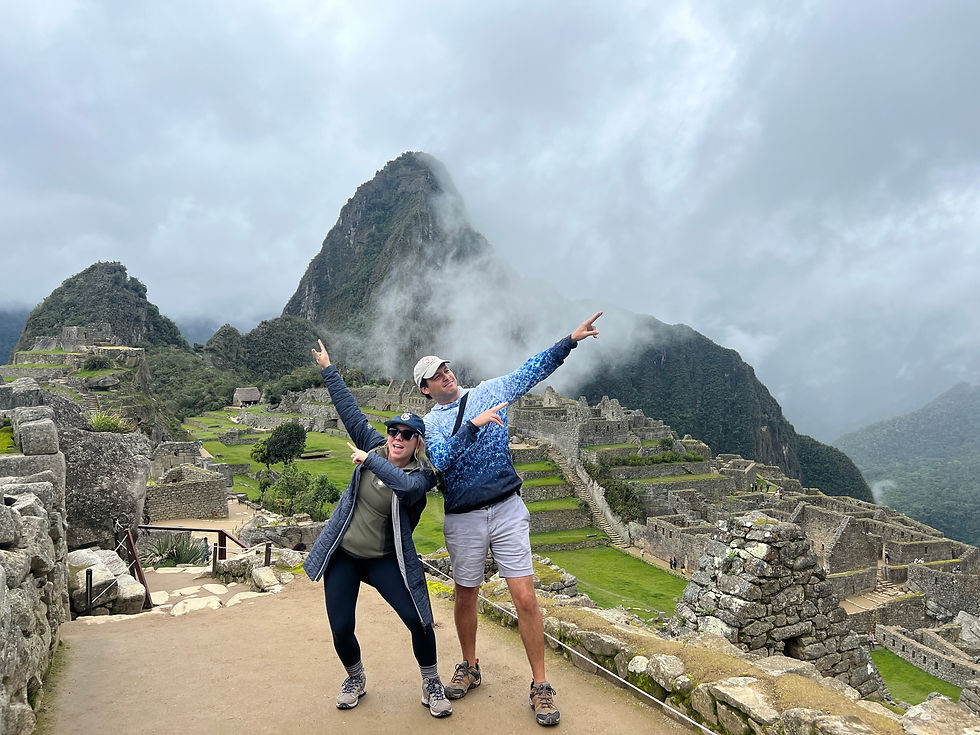
From Lima’s historic elegance to the Sacred Valley’s peaceful landscapes, the misty peaks of Machu Picchu, and the vibrant energy of Cusco, this itinerary was thoughtful, well-paced, and incredibly memorable. With the right planning — and a few honest opinions along the way — Peru isn’t just a place you visit. It’s a place you feel long after you’re home.
Comments